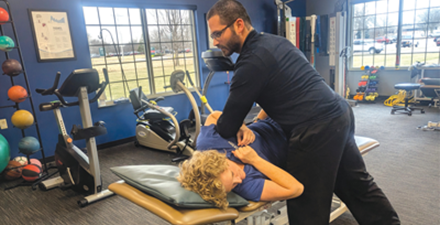
The profession of physical therapy is responsible for regulating itself. It's the responsibility of physical therapists (PTs) and physical therapist assistants, in turn, to protect the public interest by both modeling and policing legal and ethical conduct. Consider the following scenario.
Not What It's Billed To Be
Lisa began her PT career working in acute care at a hospital. She found it enjoyable and challenging but opted to focus on family life after giving birth to her second child. Now that James is 5 and Maddie is 3, Lisa is ready to return to the workforce—albeit part-time. As much as she'd like to return to the hospital, she'd prefer an easier commute and is open to exploring other practice settings.
When Lisa seeks advice from Jill, a friend and longtime PT who has been her professional mentor, Jill suggests that Lisa first determine her strengths, weaknesses, and growth needs in general physical therapist practice by taking oPTion, the Federation of State Boards of Physical Therapy's online self-assessment tool. As most of the job opportunities within easy driving distance of Lisa's house are in outpatient orthopedic clinics, she wants insight into how best to prepare herself for such a role.