
APTA is committed to the triple aim of health care. The association's proposed coding reforms are just one way—but an important one—of achieving it.
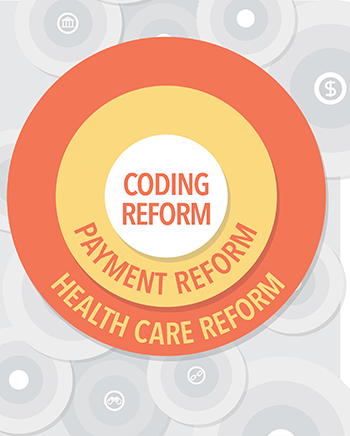
Coding Reform

Few would argue against the triple aim of health care—improved health for individuals, improved health care for societies, and contained costs. Achieving those aims requires volumes of discussion, research, and proposals to identify the best approaches. This much, however, is clear: For reforms to be effective, all stakeholders must see tangible benefits. "It is unrealistic to expect . . . health care providers, no matter how motivated they are, to provide higher value care, to improve quality, or reduce spending if the payment system does not provide adequate financial support for their efforts," wrote Harold Miller last year in a report for the Network for Regional Healthcare Improvement.1

Log in or create a free account to keep reading.


Join APTA to get unlimited access to content.

  1. Miller H. The Building Blocks of Successful Payment Reform: Designing Payment Systems That Support Higher-Value Health Care. Payment Reform Series No 3. Network for Regional Healthcare Improvement, Center for Healthcare Quality and Payment Reform, Robert Wood Johnson Foundation. April 2015.

You Might Also Like...

Feature

From Visits to Value

New payment models and a PT-led frailty pilot show how functional gains can improve outcomes and reduce costs across the care journey.

Article

APTA Presses for Inclusion of CPT Codes in UHC Prior Authorization Reforms

Following UnitedHealthcare's Sept. 1 announcement eliminating 30% of prior authorization requirements for many of its plans, APTA reviewed the policy and

Article

Resources Offer a Practical Look at How PT Codes Are Valued

APTA has recently released two new payment resources to support the association's strategic priority of advancing payment for physical therapist