Can PTs be compelled to provide clinical education? Should they be?
Management of the clinical portion of professional education differs by health care field. Our colleagues in nursing, for example, generally are accompanied in the clinical setting by dedicated academic faculty who extend their didactic instruction into the clinic. Nurses at the clinic devote their time entirely to patient care, although they may answer the occasional question from a student.
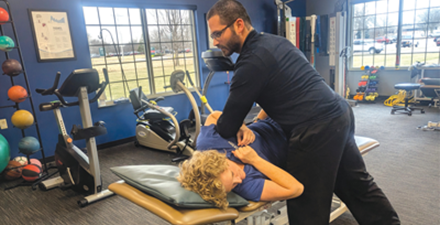
In physical therapy, as also is the case in occupational therapy, clinical education is provided by clinicians rather than by academic faculty. This can be a great strength for students and clinicians alike, but it also can create strains—particularly as physical therapist (PT) education programs increase in size and the demand for clinical education sites commensurately rises. Consider the following scenario.