
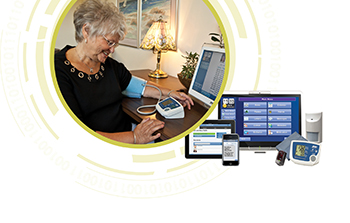
Technological advances highlighted in this issue include nasal cells used in a spinal cord transplant, telehealth kiosks, tips to control technology vendor demos, the risk of medical device hacking, a robotic exoskeleton whose developer is seeking approval for home use, and more.
Health Care Technology

Nasal Cells Used in Spinal Cord Transplant

Scientists have reported that cell transplants combined with other interventions have enabled a man with a severed spinal cord to walk again.

The case involves a 38-year-old man who sustained traumatic transaction of the thoracic spinal cord at upper vertebral level Th9. There was an 8-mm gap between the spinal cord stumps. The stumps remained connected only by a 2-mm rim of spared tissue. At 21 months after injury, the patient presented symptoms of a clinically complete spinal cord injury (American Spinal Injury Association class A-ASIAA).

Log in or create a free account to keep reading.


Join APTA to get unlimited access to content.


You Might Also Like...

Article

APTA Offers Insights on the Strategic Implementation of AI in Health Care to HHS

Mar 18, 2026

In February, APTA submitted comments to the U.S. Department of Health and Human Services in response to their Request for Information: Accelerating the

News

Coalition Pushes Congress to Repeal MPPR as Part of Medicare Payment Reform

Mar 18, 2026

A coalition of national rehabilitation and health care organizations is urging Congress to repeal the Multiple Procedure Payment Reduction policy. The

Article

Five Reasons You Won't Want to Miss APTA's Annual All-Member Meeting

Mar 17, 2026

On April 16, APTA will host its Annual All-Member Meeting, bringing together physical therapists, physical therapist assistants, and students from across