
cp_feature_cover_800x540.png

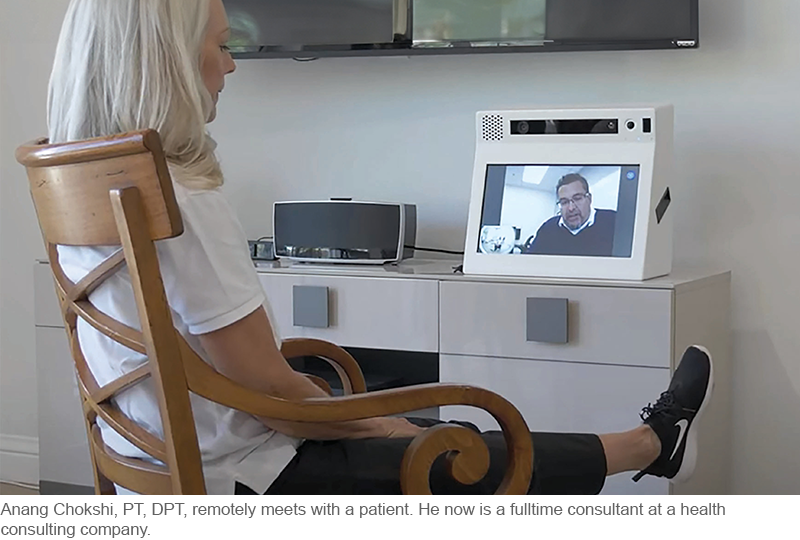
It's a common theme in the physical therapy profession. You became a PT or a PTA to help people. It's a powerful charge with a meaningful intention. And, probably, when you went to PT school, you had a vision of what "helping people" in the profession of physical therapy might look like. Perhaps it was a traditional clinical position: someone who evaluates and diagnoses patients, develops treatment plans, and monitors progress and patient adherence. All in the name of helping people regain mobility and improve their quality of life.

Log in or create a free account to keep reading.


Join APTA to get unlimited access to content.


You Might Also Like...

Article

APTA Offers Insights on the Strategic Implementation of AI in Health Care to HHS

Mar 18, 2026

In February, APTA submitted comments to the U.S. Department of Health and Human Services in response to their Request for Information: Accelerating the

News

Coalition Pushes Congress to Repeal MPPR as Part of Medicare Payment Reform

Mar 18, 2026

A coalition of national rehabilitation and health care organizations is urging Congress to repeal the Multiple Procedure Payment Reduction policy. The

Article

Five Reasons You Won't Want to Miss APTA's Annual All-Member Meeting

Mar 17, 2026

On April 16, APTA will host its Annual All-Member Meeting, bringing together physical therapists, physical therapist assistants, and students from across